
Dom, Domme, and Master: Understanding the Power Givers
In any BDSM dynamic, someone takes the reins—giving direction, setting the tone, and holding space for the experience. These are the power givers: the Doms, Dommes, Masters, Mistresses, and Caregiver-style Dominants who bring intentional structure to the dance of kink. But being a Dominant isn’t about barking orders or holding control for its own sake. It’s about communication, trust, and ethical leadership.
Whether you’re curious about becoming a Dominant or want to understand the roles better as a submissive, this guide offers a comprehensive breakdown of what it means to embody a BDSM Dominant, with nuance, care, and clarity.

Dom / Domme: Foundational Power Roles
The most commonly recognized term in the kink world, Dom (short for Dominant) or Domme (feminine form, pronounced “Dom”), refers to someone who consensually takes a leadership or authority role in a BDSM dynamic or scene. Unlike the Master/Mistress archetype, Doms and Dommes may not require elaborate rituals or permanent protocols.
Key Characteristics:
- Lead scenes, set rules, or create structure
- Emphasize communication and negotiation
- May be involved in short-term or scene-specific play
- Can range from strict to sensual in tone
Being a BDSM Dominant is less about strictness and more about guiding others through controlled exploration. Many Doms see themselves as curators of experience and emotional space.

Master / Mistress: The Protocol-Heavy Dominants
For those who crave more formal structure, the titles Master or Mistress signal a high-intensity dynamic—usually built on long-term commitment and deep power exchange. These roles often involve Total Power Exchange (TPE) agreements where the submissive (often called a “slave”) yields nearly all authority to their Dominant.
Typical Dynamics:
- Clear rules and protocols (standing positions, greeting rituals, behavior expectations)
- Long-term relationships, often 24/7 or lifestyle-based
- Contracts, collaring ceremonies, and defined hierarchies
In these cases, the BDSM Dominant functions almost like a life mentor, with care, structure, and consistency being central themes. Contrary to stereotypes, Masters and Mistresses often maintain high emotional intelligence and devote substantial time to their partner’s growth.

Daddy / Mommy Doms: Gentle Power and Emotional Care
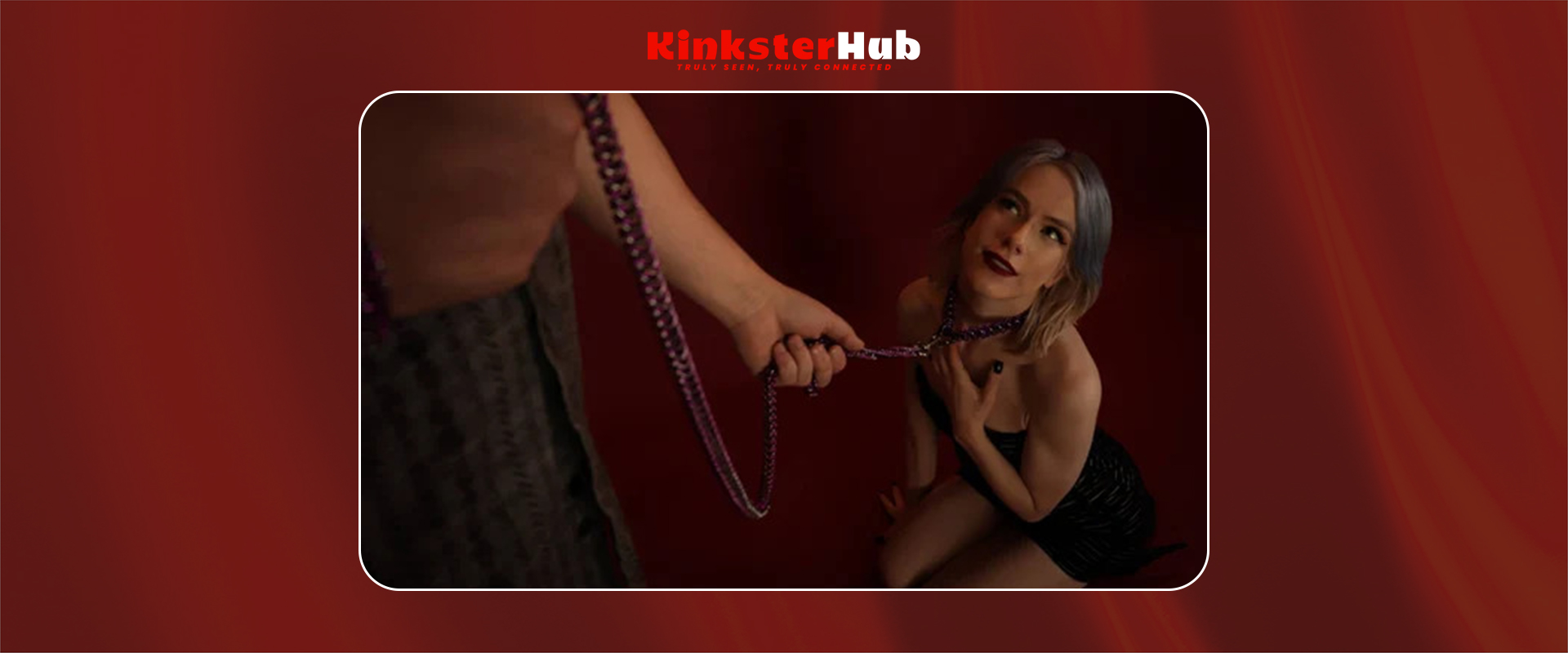
Not all Dominants are strict or authoritative in tone. Daddy Doms and Mommy Dommes embody a more nurturing kind of control. These roles are central to Caregiver/little (CG/l) dynamics, where the submissive adopts a more childlike or vulnerable headspace (often called a “little”).
Defining Traits:
- Emotional support and protection are core
- Use of pet names, praise, and comfort objects
- Soft structure: bedtime routines, encouragement, affirmations
- Still hold power, but express it through care-based authority
This is one of the most misunderstood BDSM Dominant roles. It’s not about infantilization or age-play by default—it’s about creating safe emotional structures for exploration, healing, and connection.
Misconceptions About Dominants
There’s no shortage of myths about Dominant roles, especially in mainstream media. Let’s address the most common:
- Myth: “Dominants are always aggressive or cruel.”
Truth: Many are soft-spoken, nurturing, and emotionally intelligent. Control doesn’t equal cruelty. - Myth: “Being a Dom means you’re always in control.”
Truth: A responsible BDSM Dominant knows when to listen, pause, or adjust based on feedback. True control includes flexibility. - Myth: “Doms never show vulnerability.”
Truth: Dominants are still human. Healthy dynamics include space for Doms to process, decompress, and be cared for, too.
The best Doms are not power-hungry—they’re power-responsible.

How to Be a Responsible Dominant—Even as a Beginner
If you’re new to Dominance, you don’t need to wait until you’re “experienced” to be a good partner. Here’s how to start ethically:
- ✅ Learn Constantly
Read about BDSM Dominant practices, consent, psychology, and trauma-awareness. Stay humble. - ✅ Communicate First, Play Second
Before touching a toy or giving a command, talk. Get clear on boundaries, safe words, and emotional triggers. - ✅ Build Trust, Not Fear
Dominance isn’t about intimidation. It’s about creating a space where your submissive can let go safely. - ✅ Practice Emotional Regulation
Your job is to remain calm and consistent. If you feel overwhelmed, take a break rather than pushing forward. - ✅ Reflect and Adjust
After every scene, check in. “How was that for you?” shows care and improves future play.
The journey to becoming a respected BDSM Dominant is ongoing—and every scene is a chance to grow. What kind of dominant dynamic are you most interested in exploring?