
BDSM Role Dynamics: From Dom to Little
In the world of kink, titles like “Dom,” “Sub,” or “Little” aren’t just buzzwords—they shape how we connect, communicate, and care for each other. Understanding BDSM roles can help you build more satisfying, respectful relationships, whether you’re exploring bedroom dominance or embracing 24/7 power exchange.
But here’s the secret: roles aren’t rigid. They’re fluid, evolving, and deeply personal. You don’t need to box yourself into a title on day one. What matters is self-discovery, communication, and consent.
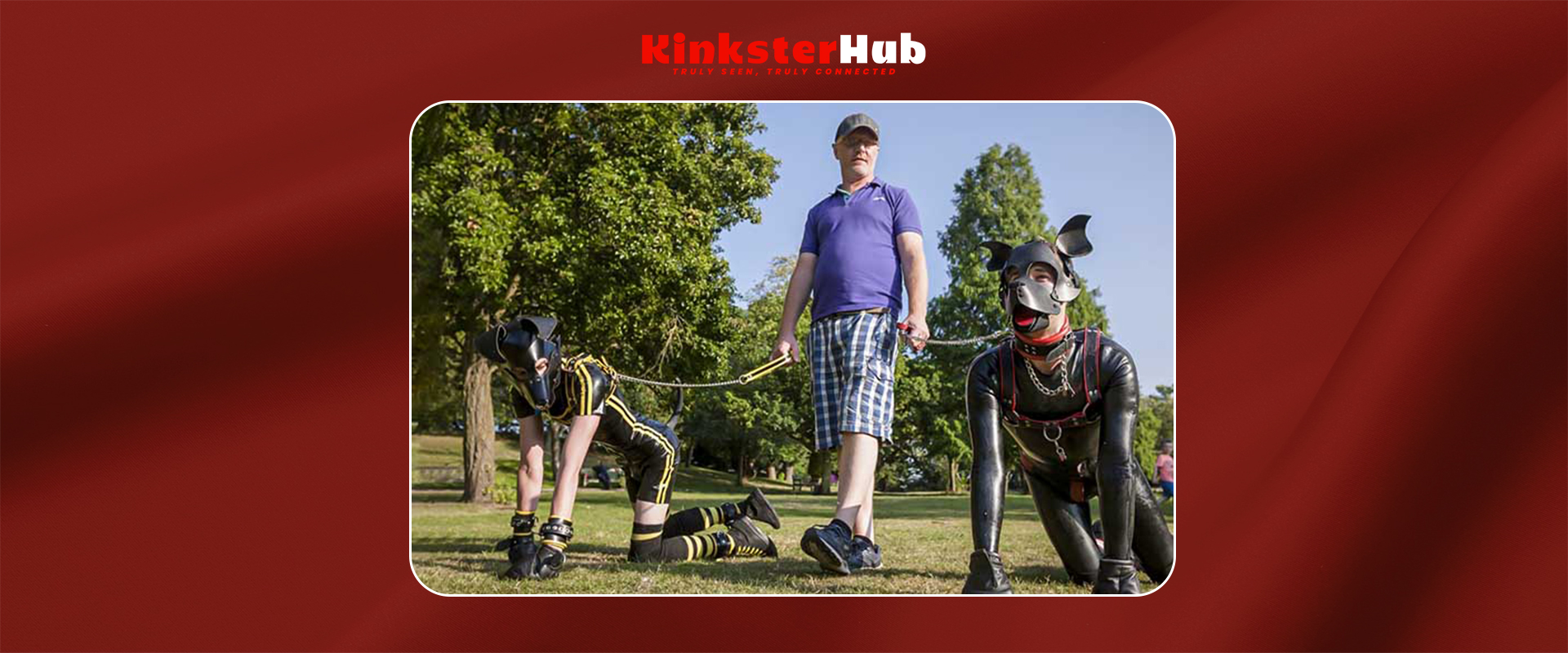
In this guide, we’ll break down the most common BDSM roles, explain how they relate to mindset and behavior, and give you the tools to begin exploring in a safe, informed way.
Roles Are More Than Labels—They Shape Interactions
In BDSM, a “role” refers to the position a person takes in a power dynamic, scene, or relationship. However, roles extend beyond actions during play—they influence communication, rituals, responsibilities, and emotional tone.
Understanding your BDSM role can help you:
- Discover what kinds of scenes and dynamics excite you
- Identify compatible partners
- Express your needs and boundaries more clearly
These roles don’t dictate who you are—they help guide how you relate to others.
Overview Table: Common BDSM Roles
Here’s a high-level breakdown of some of the most popular roles in BDSM. This is not exhaustive—but it’s a great starting point for exploration.
| Role | Definition |
|---|---|
| Dominant (Dom/Domme) | Leads or controls the scene or relationship with consent |
| Submissive (Sub) | Gives up control, follows guidance, or obeys rules |
| Switch | Can play both Dom and Sub roles depending on mood or partner |
| Top | Acts in a scene (e.g., spanking), regardless of power dynamics |
| Bottom | Receives sensation or action in a scene |
| Master/Mistress | A formal Dominant in a long-term or Total Power Exchange relationship |
| Slave | A submissive who may give over control completely to a Master/Mistress |
| Little | A submissive who embodies a childlike or playful role (non-sexual or sexual) |
| Caregiver/Daddy/Mommy | A nurturing Dominant role in a DD/lg or CG/l dynamic |
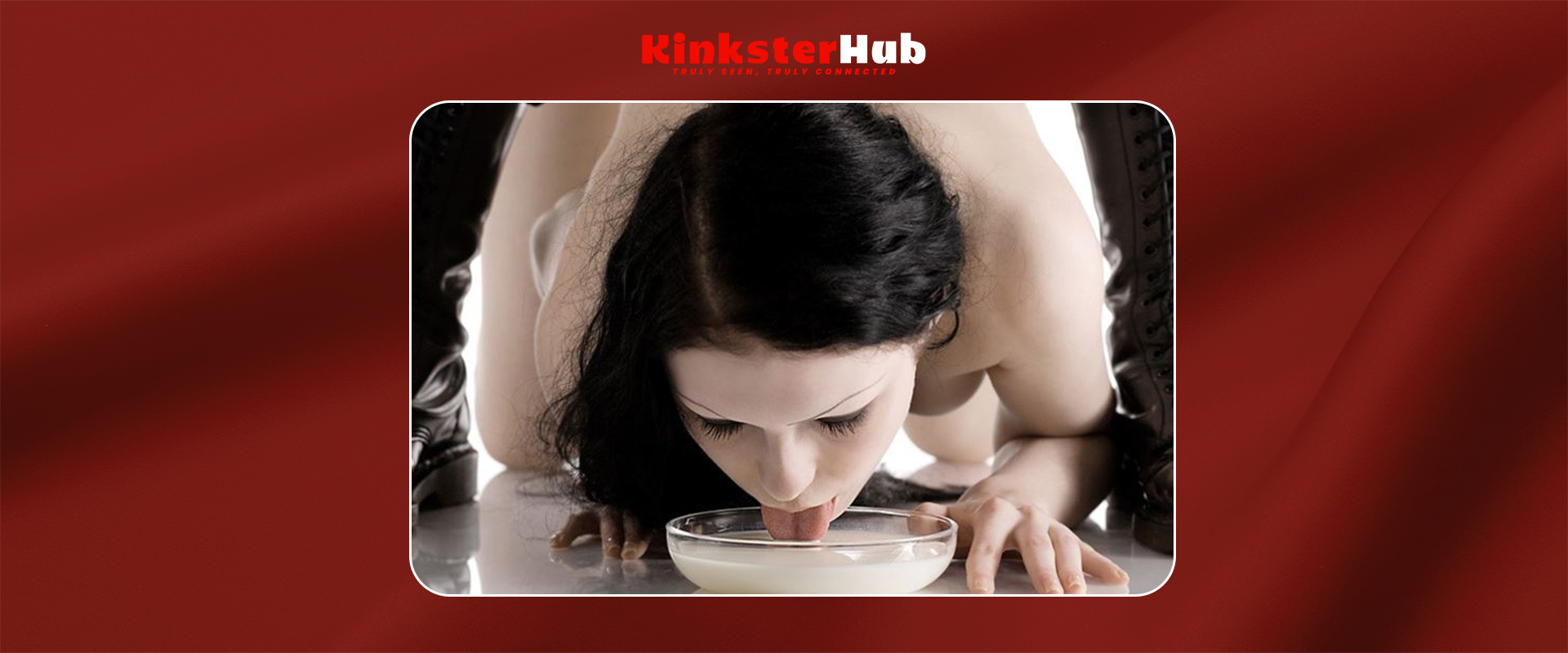
| Pet | A submissive who takes on animal traits (e.g, puppy, kitten) in play |
| Primal (Hunter/Prey) | A raw, instinctual dynamic focusing on animalistic energy or struggle |
Each of these BDSM roles comes with different expectations, emotional energy, and forms of expression.
Role vs. Mindset vs. Action: Know the Difference
Many beginners confuse roles with the actions you take during a scene. But roles, mindset, and actions are distinct:
- Role: The position you identify with (e.g., Dom, Little, Pet)
- Mindset: The emotional or psychological state (e.g., nurturing, obedient, primal)
- Action: The physical behavior (e.g., spanking, kneeling, calling someone “Sir”)
You might act as a Top during a spanking scene without identifying as a Dominant in your daily life. Or you might have a submissive mindset without engaging in physical play at all. Understanding these distinctions is key to navigating BDSM roles with intention.
Popular Relationship Models by Role
Roles also influence the types of relationships you might engage in. Here are a few popular models:
1. D/s (Dominant/submissive)
- Can be sexual or non-sexual
- Focuses on agreed-upon power exchange
- Often includes rituals, protocols, or tasks
2. TPE (Total Power Exchange)
- A high-intensity dynamic where the submissive surrenders most or all control
- Often long-term and formal (e.g., Master/slave)
- Requires deep trust, consent, and planning
3. DD/lg or CG/l (Daddy Dom/Little Girl or Caregiver/little)
- A nurturing structure with age regression or emotional caretaking
- May include coloring, stuffies, or childlike language
- Can be platonic or erotic, depending on consent
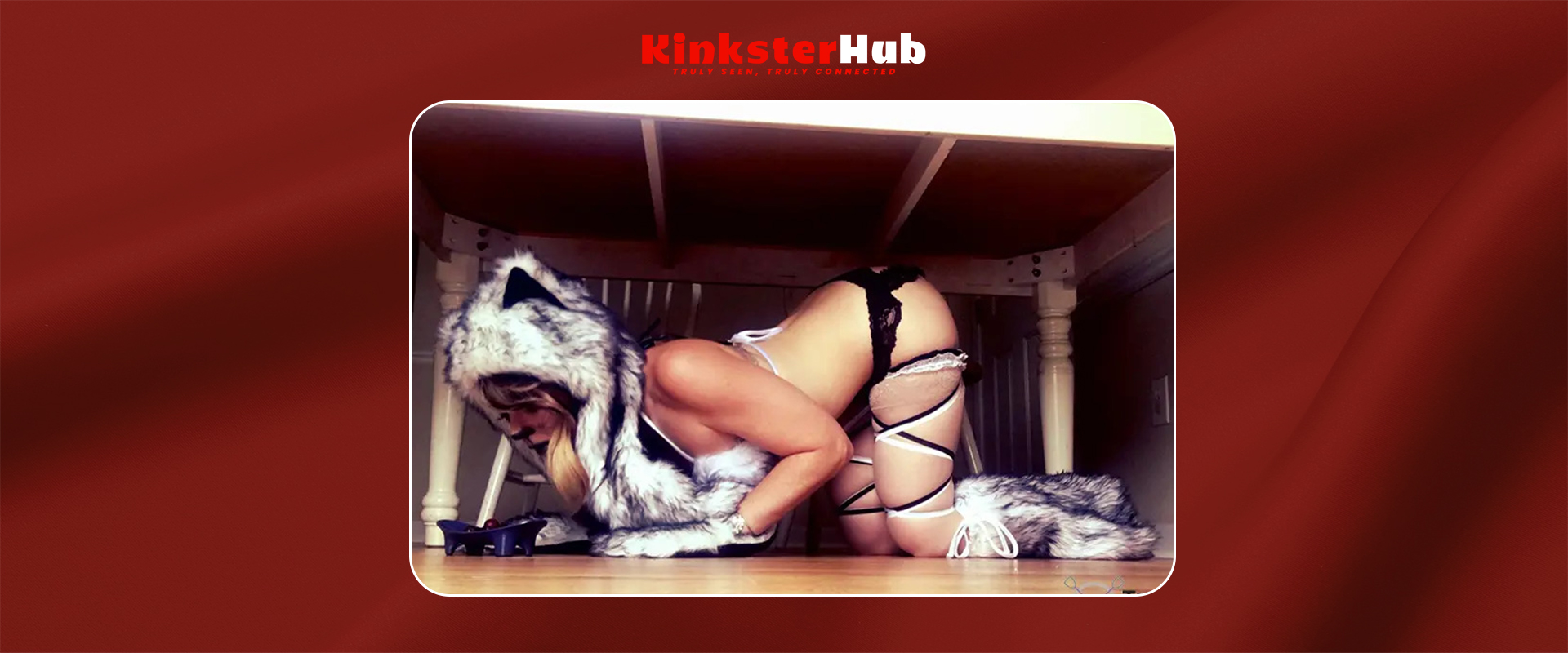
4. Pet Play
- One partner takes on an animal role (puppy, kitten, pony)
- Includes gear (collars, tails), behavior training, and animalistic energy
- Often includes elements of reward, punishment, or affection
These frameworks offer structure, but your relationship is yours to define. Use them as inspiration, not limitations.

Beginner Tip: Don’t Rush to Define Yourself
It’s okay not to know what you are right away. That’s a good thing. Exploring BDSM roles is a journey, and it’s completely normal to:
- Be curious about more than one role
- Shift between identities over time
- Discover preferences through trial and error
Instead of declaring yourself a “Dom” or “Sub” on day one, ask:
- What kinds of interactions excite me?
- Do I feel energized by leading or surrendering?
- How do I want to be treated, praised, or guided?
Give yourself permission to experiment, evolve, and change your mind. You don’t need to choose a permanent label—just choose what feels good now.